Botswana's Healthcare Sector Faces Significant Disruption Amid Medicine Shortage
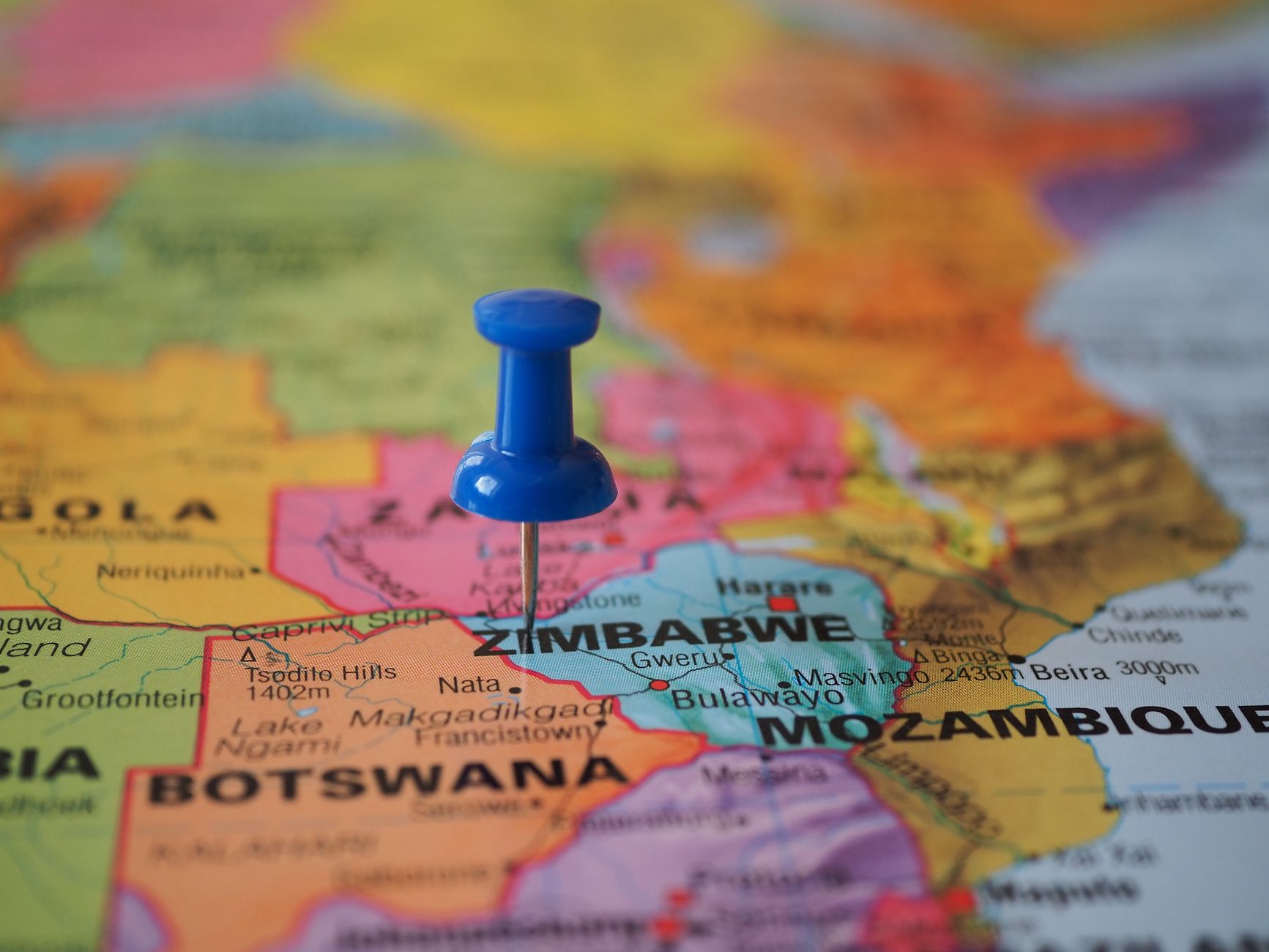
CITY, Botswana — The pharmaceutical industry in Botswana is facing a significant crisis due to the ongoing shortage of essential medicines, which is affecting both public and private healthcare systems. According to a report, about 40% of Botswana's private healthcare expenditure is spent on pharmaceuticals, indicating the significant role that the pharmaceutical industry plays in the country's economy. Companies such as private hospitals and clinics, as well as pharmaceutical companies operating in Botswana, rely on the importation of medicines from other countries, and the current shortage is disrupting their supply chains. For instance, the Ministry of Health and Wellness, which allocated about P4.3 billion to the health sector in the 2022/2023 budget, is likely to face increased pressure to address the shortage of medicines.
The medicine crisis is having a ripple effect on various stakeholders, including companies that provide medical aid schemes to their employees. These companies, such as those operating in the export-oriented sectors, may be forced to increase their medical aid contributions to cover the costs of private medical care, which could lead to increased operational costs. This, in turn, could affect the competitiveness of Botswana's businesses. The key institutions affected by this crisis include the Ministry of Health and Wellness, as well as private healthcare providers. According to industry analysts, the pharmaceutical industry's reliance on imports makes it vulnerable to supply chain disruptions, which can have far-reaching consequences for the economy.
The immediate exposure lies in the potential decline in revenue for private hospitals and clinics, as well as pharmaceutical companies operating in Botswana. For operators in the healthcare sector, the crisis may lead to increased costs and reduced profitability, as they struggle to maintain their supply chains. The World Bank estimates that the healthcare sector is a significant contributor to Botswana's GDP, and the medicine crisis could lead to a decline in economic growth. Furthermore, the crisis may also lead to increased government expenditure on healthcare, as the government may be forced to intervene to address the shortage of medicines. The Ministry of Health and Wellness, in particular, will face significant challenges in addressing the crisis, given its limited budget and resources.
So what does this mean for investors and executives? The key risk for investors is that the medicine crisis could lead to a decline in investor confidence in the country's healthcare sector, which could have long-term economic implications. According to a report, the government's allocation of about P4.3 billion to the health sector in the 2022/2023 budget is approximately 12% of the total budget, highlighting the significant role that the healthcare sector plays in the country's economy. For companies operating in Botswana, the crisis may require a re-evaluation of their business strategies and risk management practices. The Ministry of Health and Wellness, as well as private healthcare providers, will need to work together to address the shortage of medicines and mitigate the impact of the crisis on the economy.
The medicine crisis in Botswana is a complex issue that requires a comprehensive solution. The government, private healthcare providers, and pharmaceutical companies must work together to address the shortage of medicines and restore confidence in the healthcare sector. This will require significant investment and resources, as well as a coordinated effort to improve the supply chain and reduce the reliance on imports. In the meantime, investors and executives must carefully monitor the situation and adjust their strategies accordingly