**B-52 Crash in Bolivia: Implications for Tourism and National Image**
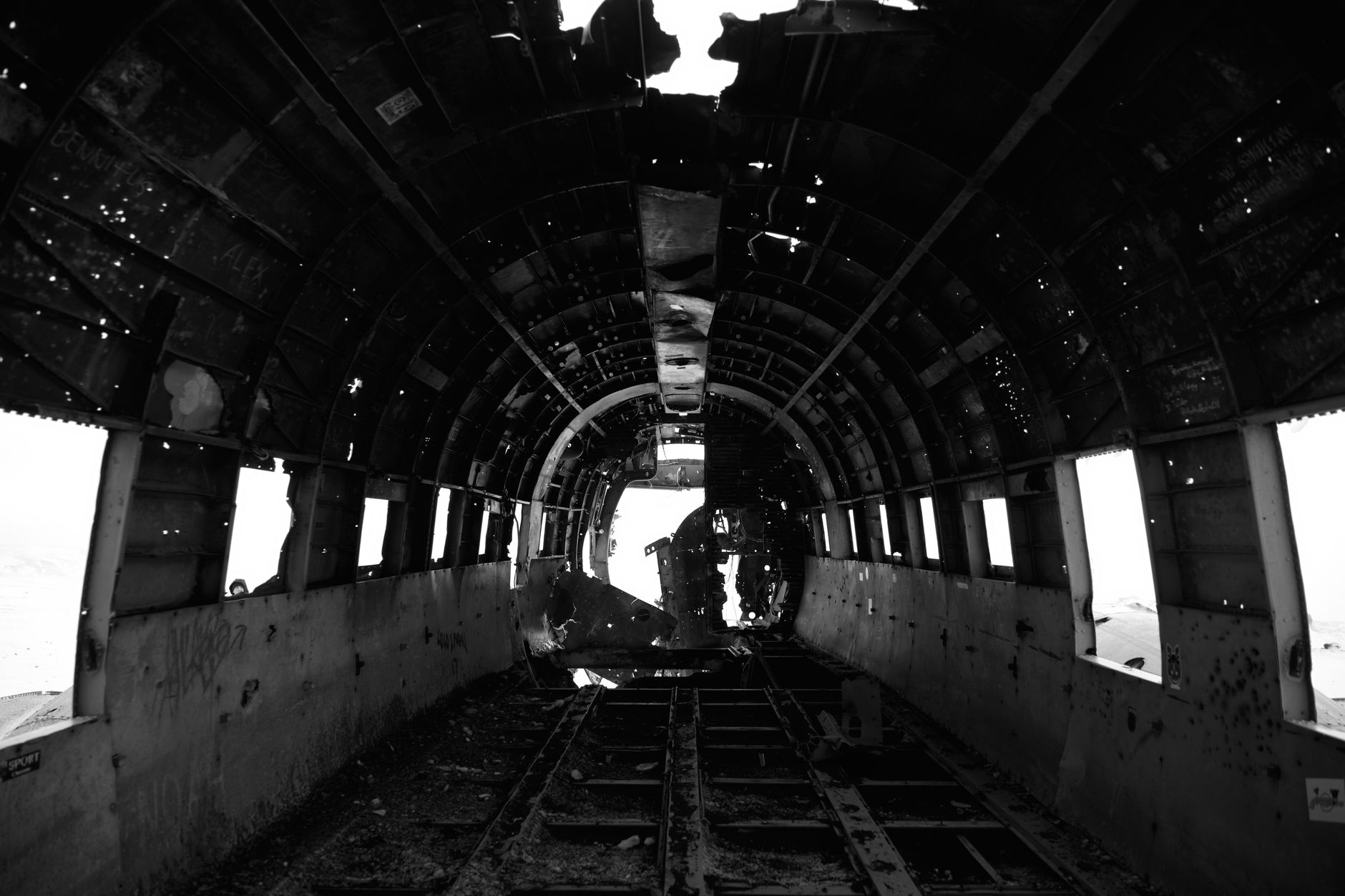
The crash of a US Air Force B-52 bomber near a remote Bolivian village, killing all eight on board, is a significant blow to Bolivia's tourism industry and national image. This incident could potentially deter international visitors, particularly from the United States, and undermine the government's efforts to promote the country as a tourist destination.
Historically, tourism has been a growing sector in Bolivia, with approximately 3.5 million visitors in 2019, generating estimated revenues of around $1.3 billion. The industry has been supported by the government's investment in infrastructure, including the expansion of international airports and the development of cultural and natural attractions.
The tourism sector in Bolivia is dominated by small and medium-sized enterprises (SMEs), including tour operators, hotels, and restaurants. Companies such as Bolivia Hop, a popular tour operator, and the Hotel Casa Grande, a boutique hotel in La Paz, cater to a growing number of international visitors. These businesses may feel the impact of a decline in tourism due to the B-52 crash.
The crash could also have a negative impact on Bolivia's national image, particularly in the context of the country's ongoing efforts to promote itself as a safe and welcoming destination for tourists. The incident may reinforce negative stereotypes about Bolivia's safety and stability, potentially deterring potential visitors.
Regional patterns suggest that the impact of such an incident can be significant. For example, the crash of a plane carrying Brazilian tourists in 2015 led to a decline in tourism from Brazil to Bolivia. While the exact impact of the B-52 crash on Bolivia's tourism industry is uncertain, operators should monitor the situation closely, as international visitors may be deterred by the incident.
Additionally, the crash could have implications for Bolivia's economic growth, as tourism is a significant contributor to the country's GDP. Historically, tourism has been a driver of economic growth in Bolivia, with the sector accounting for around 2.5% of the country's GDP in 2019.
In the short term, the impact of the B-52 crash on Bolivia's economy may be limited. However, in the long term, the incident could have a negative impact on the country's economic growth and tourism industry. Operators should monitor the situation closely and be prepared to adapt to changing market conditions