Congo-Kinshasa: How Trust Is Central in Fighting DRC Outbreak

Ugandan businesses operating in the health sector, particularly those providing medical supplies and services to neighboring countries, face a significant uncertainty risk due to the ongoing Ebola outbreak in the Democratic Republic of Congo (DRC). The risk of a wider outbreak, potentially affecting Uganda, could disrupt supply chains, lead to increased demand for health-related goods and services, and impact the reputation of Ugandan businesses operating in this space.
Historically, Uganda's health sector has seen fluctuations in demand for medical supplies and services due to regional outbreaks and epidemics. The country's proximity to the DRC, combined with the porousness of their shared border, increases the likelihood of a potential Ebola outbreak spreading to Uganda. Approximately 70% of Uganda's international trade is with its neighboring countries, making it crucial for Ugandan businesses to monitor the situation closely.
The Africa Centers for Disease Control and Prevention (Africa CDC) has termed the DRC Ebola outbreak as the worst ever, with 837 reported cases. This has led to a rise in demand for health-related goods and services in the region, including in Uganda. Ugandan businesses operating in this sector, such as pharmaceutical companies and medical supply distributors, should be prepared to meet this increased demand.
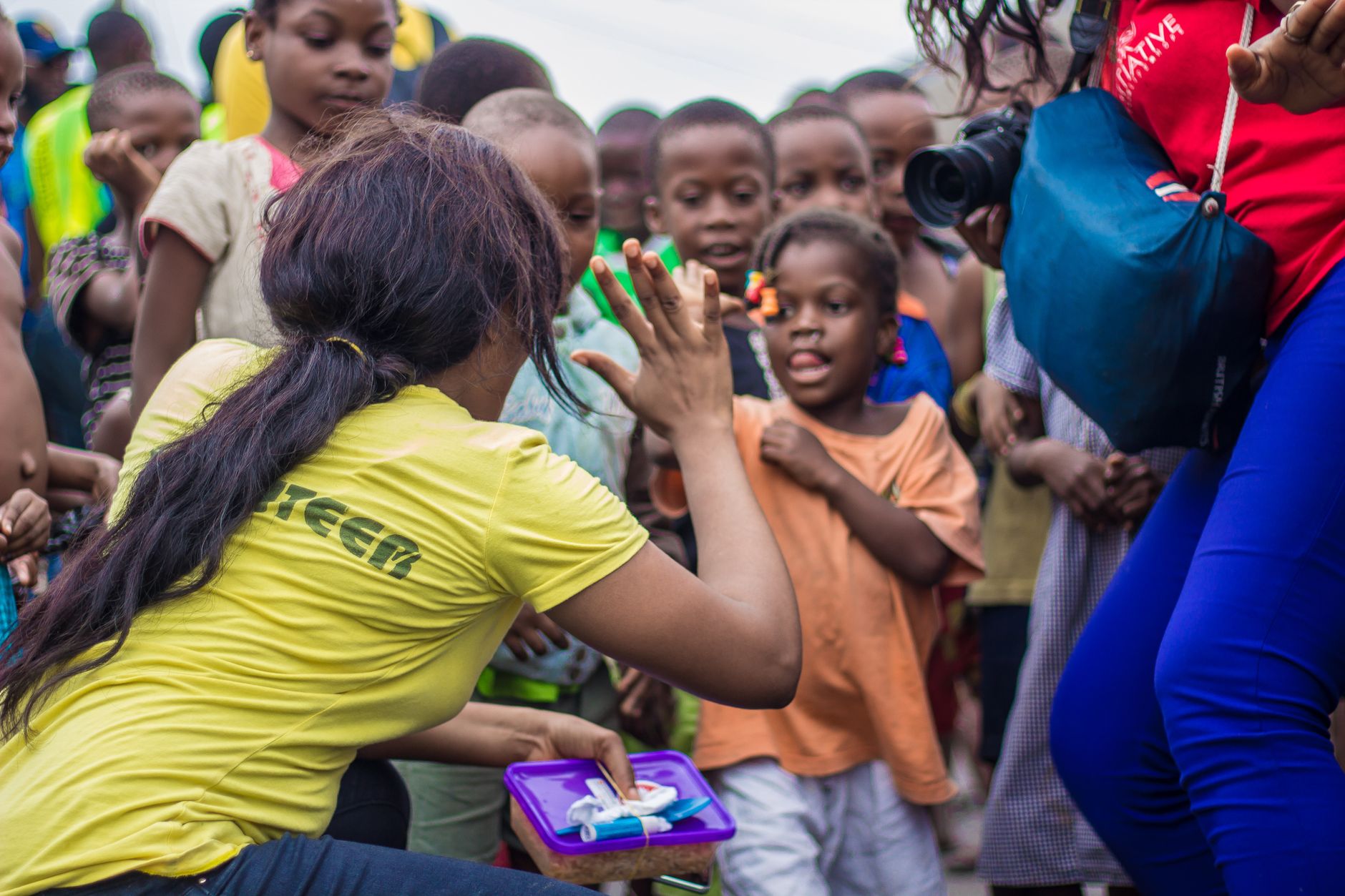
The Uganda Red Cross Society has already mobilized resources to support the DRC in its Ebola response efforts. This highlights the importance of building trust between the government, health institutions, and local communities in the fight against the outbreak. Ugandan businesses operating in this space should prioritize building and maintaining trust with their customers, partners, and suppliers to mitigate risks and capitalize on potential opportunities.
Uganda's health sector is dominated by private providers, with an estimated 70% of healthcare services delivered by private hospitals, clinics, and pharmacies. As the situation in the DRC continues to unfold, Ugandan businesses operating in this sector should monitor the development closely and be prepared to adapt to any changes in demand or regulatory requirements.
In conclusion, the ongoing Ebola outbreak in the DRC poses significant uncertainty risks to Ugandan businesses operating in the health sector. To mitigate these risks and capitalize on potential opportunities, these businesses should prioritize building and maintaining trust with their customers, partners, and suppliers, and be prepared to adapt to any changes in demand or regulatory requirements