G7 Leaders' Statements on Ukraine War Aims Pose Risks for Global Trade
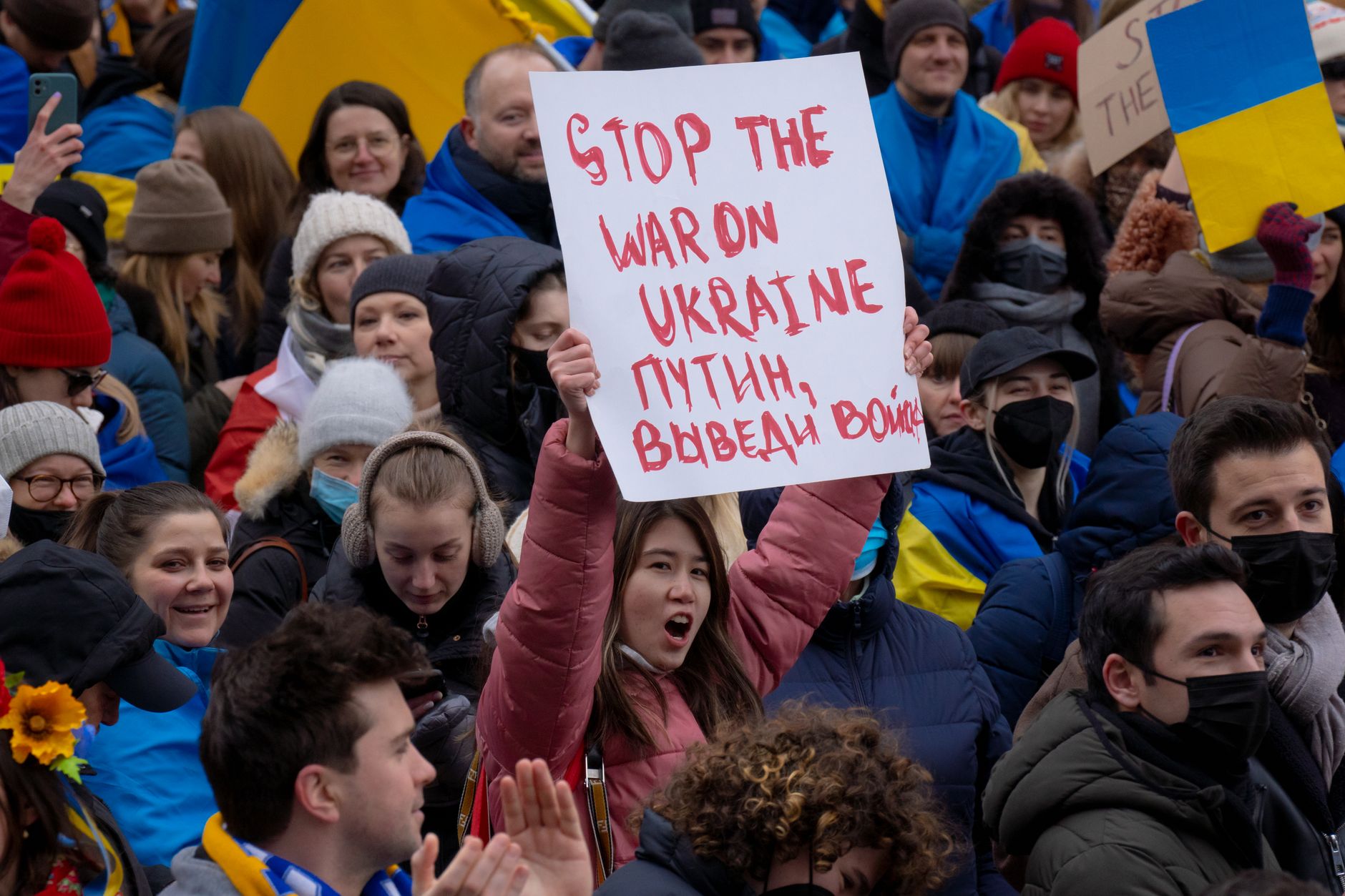
The single most important business implication for India from the recent G7 summit is the potential escalation of the Ukraine-Russia conflict, which could lead to a rise in global energy prices and negatively impact India's energy imports. Historically, India has been one of the largest importers of crude oil from Russia, with an estimated 20-25% of its total oil imports coming from the country.
This development poses significant risks for India's oil importers, including state-owned Indian Oil Corporation (IOC), Hindustan Petroleum Corporation (HPCL), and Bharat Petroleum Corporation (BPCL). The three companies have historically sourced a substantial portion of their crude oil requirements from Russia, and any disruption to these supplies could lead to increased costs and uncertainty for the companies.
Approximately 70% of India's oil imports are refined by IOC, HPCL, and BPCL, which could lead to higher fuel prices for consumers if the companies are unable to pass on the increased costs to their suppliers. This could have a ripple effect on the broader economy, particularly on industries such as transportation, construction, and manufacturing, which are heavily reliant on fuel.
The potential escalation of the conflict also poses risks for India's foreign exchange reserves, which have historically been vulnerable to fluctuations in global energy prices. Any increase in oil prices could lead to a surge in imports, putting pressure on the country's foreign exchange reserves and potentially leading to a depreciation of the rupee.
In addition, the conflict could also impact India's bilateral trade relationships with the United States and other G7 countries. Historically, India has had a complex relationship with the US, with the two countries engaging in a series of high-stakes trade negotiations. The US has historically been a major trading partner for India, with bilateral trade estimated at over $140 billion in 2020.
The impact of the conflict on India's bilateral trade relationships would be closely watched by operators, particularly in the sectors of IT, pharmaceuticals, and textiles, which have historically been among the largest contributors to India's exports to the US. Any escalation of the conflict could lead to trade restrictions, tariffs, or other measures that could negatively impact these sectors.
As India's largest trading partners, the US and other G7 countries would closely monitor the country's stance on the conflict. Historically, India has maintained a neutral stance on international conflicts, while also seeking to protect its economic interests. The country's response to the conflict would be closely watched by operators, particularly in the sectors of energy, trade, and finance.
In conclusion, the potential escalation of the Ukraine-Russia conflict poses significant risks for India's energy imports, foreign exchange reserves, and bilateral trade relationships. Operators should closely monitor the situation and be prepared for any potential disruptions to global trade and energy markets