Ghana's Financial Sector Faces Long-Term Challenges as Child Poverty Persists
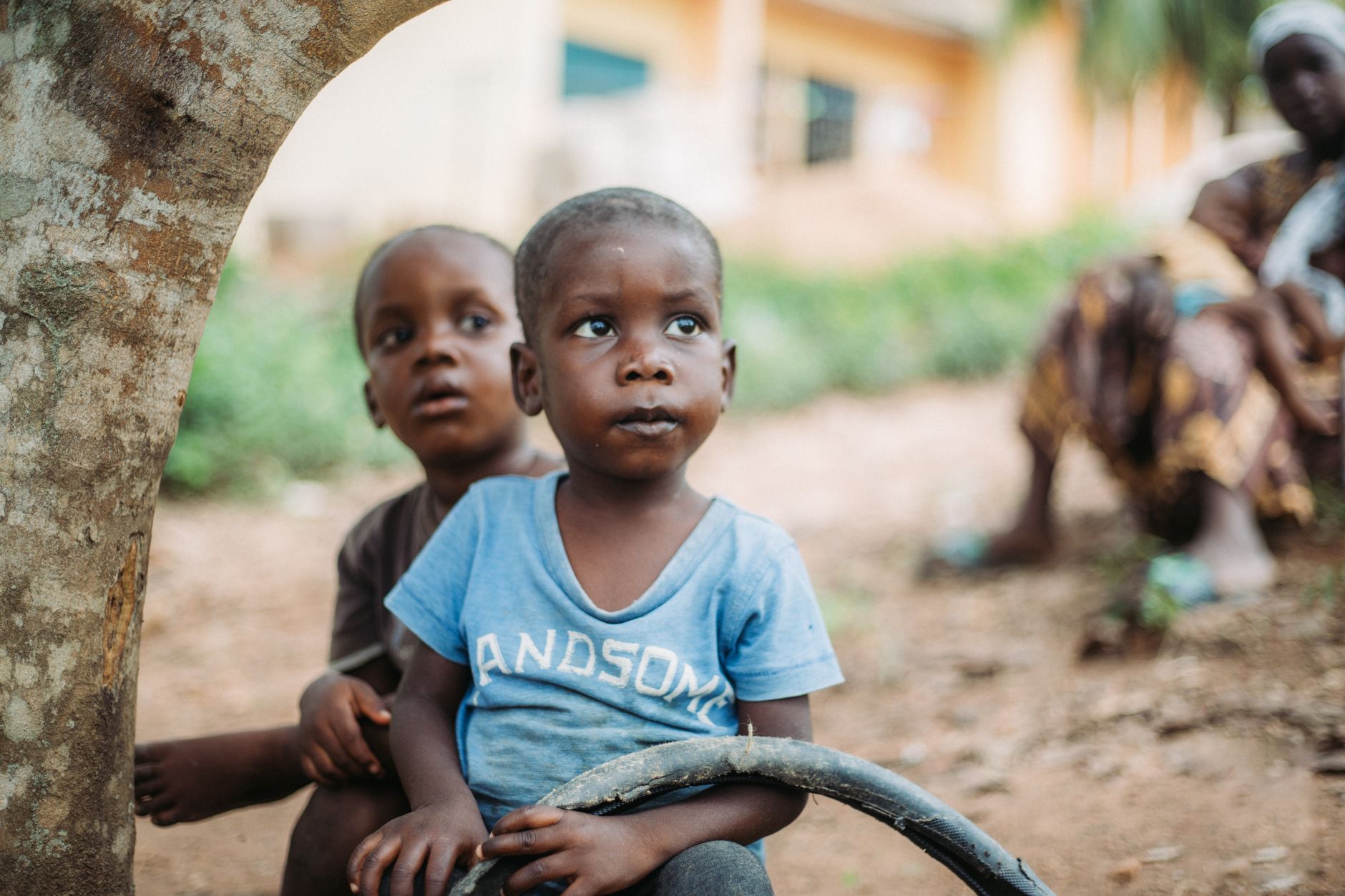
The recent UNICEF report highlighting the staggering 80% of Ghana's children under 5 living in poverty and underserved conditions is a stark reminder of the country's socio-economic challenges that may have a ripple effect on the financial sector, including Ghana Interbank Payment & Settlement Systems (GhIPSS). As the leading provider of electronic payment solutions in Ghana, GhIPSS plays a crucial role in facilitating financial transactions, but the persistence of child poverty and deprivation could have long-term implications for the country's economic growth and stability.
GhIPSS's operations rely heavily on a stable and growing economy, which in turn depends on the well-being and education of the country's population, particularly its youth. The absence of a skilled and literate workforce could hinder economic progress and potentially impact GhIPSS's ability to expand its services and maintain its market share. Furthermore, the financial sector's growth is often linked to the overall development of the economy, and child poverty may lead to a brain drain, as talented individuals may seek opportunities abroad, depriving Ghana's economy of critical skills and expertise.
The financial sector in Ghana, which includes GhIPSS, may also face challenges in addressing the root causes of child poverty and deprivation. The lack of access to basic services, such as healthcare and education, can perpetuate a cycle of poverty, making it difficult for individuals to break free from poverty and participate in the formal economy. GhIPSS's efforts to promote electronic payment solutions and financial inclusion may be hindered by the limited financial literacy and access to banking services among low-income households.
However, the situation is not without opportunities for GhIPSS and the financial sector. The increasing use of digital payment solutions and mobile money services may help bridge the gap in financial inclusion, particularly among low-income households. GhIPSS's focus on promoting electronic payment solutions and financial inclusion could also help address the root causes of child poverty and deprivation by providing access to financial services and promoting economic empowerment.
As the Gender Ministry marks the Day of the African Child, Ghana's financial sector, including GhIPSS, is likely to face increasing pressure to address the socio-economic challenges facing the country. While the situation may be complex and multifaceted, it is clear that GhIPSS's operations and the financial sector's growth are inextricably linked to the country's overall development.
Learn more about Ghana Interbank Payment & Settlement Systems (GhIPSS) at drovus.world/113591/