**Indonesia Earthquake: Tourism and Infrastructure Take a Hit**
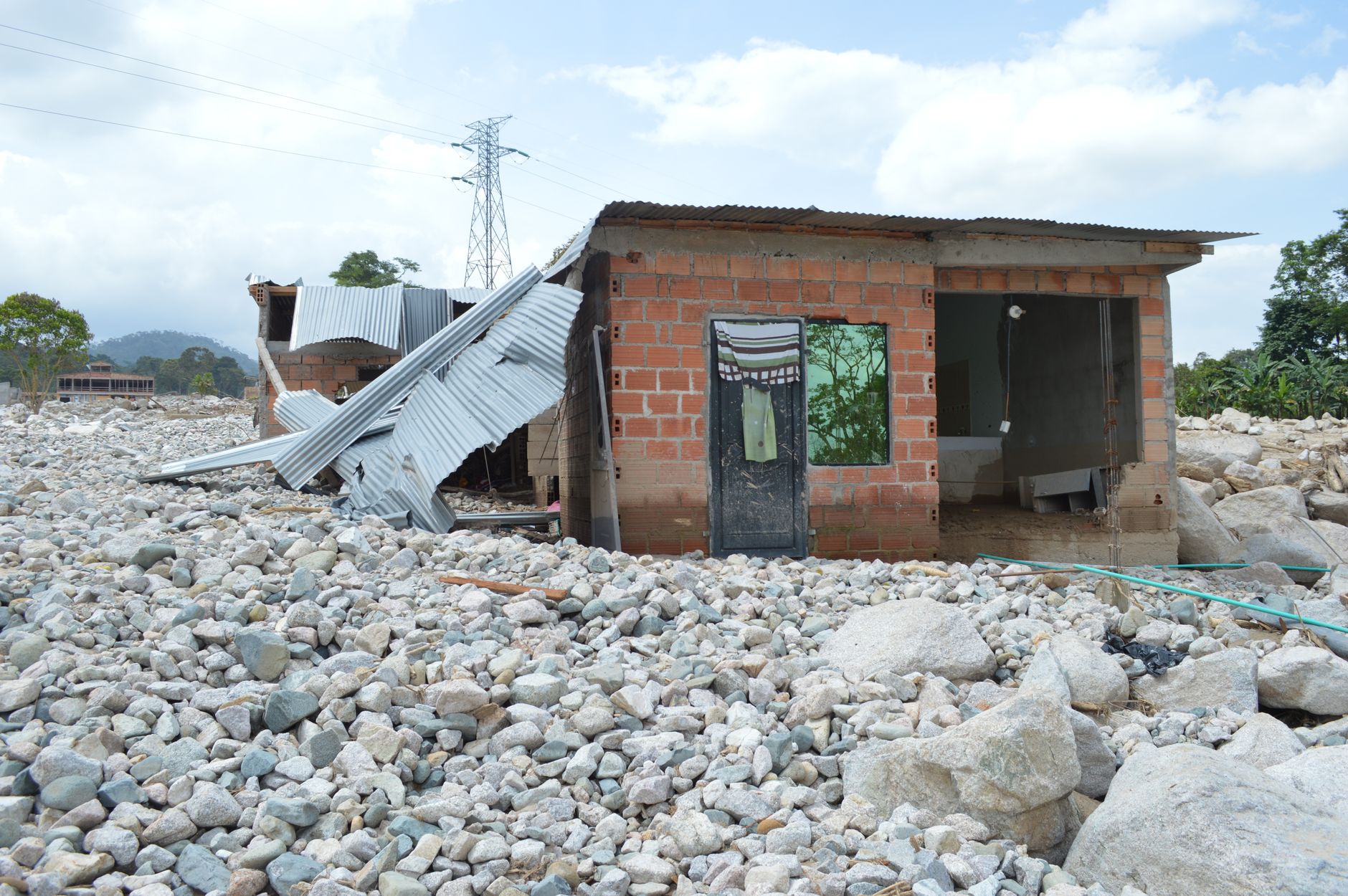
A 6.7 magnitude earthquake that struck Indonesia on [Date] has claimed at least one life, injured several others, and caused significant damage to buildings, roads, and other infrastructure. The impact of this disaster on Indonesia's economy and business landscape is multifaceted, but one of the most critical implications is the potential hit to the country's tourism industry.
Indonesia's tourism sector is a significant contributor to the country's GDP, with foreign visitors drawn to its rich cultural heritage, beautiful beaches, and vibrant cities. The earthquake has caused widespread damage to tourist attractions, hotels, and other infrastructure, which may deter visitors from coming to the affected areas. This could have a ripple effect on the entire tourism industry, impacting not just the businesses directly affected but also the local economy as a whole.
The construction sector, which is closely tied to infrastructure development, is likely to be another area of concern. The earthquake has caused significant damage to buildings, roads, and bridges, which will require substantial repairs and reconstruction. This could lead to increased demand for construction materials and services, potentially benefiting companies in the sector. However, it may also lead to delays and cost overruns, which could be a challenge for businesses operating in the sector.
Indonesia's disaster relief and recovery efforts will also likely require significant investment in the affected areas. This could provide opportunities for companies involved in the provision of emergency services, such as food, water, and shelter. However, the scale and duration of the relief efforts will depend on various factors, including the extent of the damage and the effectiveness of the government's response.
In terms of specific sectors, companies involved in the construction and tourism industries are likely to be among the most affected. PT Wijaya Karya (WIKA), one of Indonesia's largest construction companies, may be impacted by the increased demand for its services in the affected areas. Similarly, companies such as PT Astra International, which operates in the tourism sector through its Astra Hospitality division, may experience a decline in business due to the damage caused by the earthquake.
Historically, Indonesia has been vulnerable to natural disasters, and the country's economy has shown resilience in the face of such events. However, the impact of the earthquake on business operations and investor confidence is likely to be significant. As the situation unfolds, investors and businesses operating in Indonesia should closely monitor the government's response to the disaster and the effectiveness of the relief efforts. They should also keep a watchful eye on the country's economic indicators, including GDP growth and inflation, which may be affected by the disaster