Kenya's Rangelands Under Threat: Implications for the Livestock Sector and Investors
Kenya's efforts to restore degraded rangelands will have a direct impact on the livestock sector, which accounts for approximately 40% of the country's GDP. The sector is a significant driver of foreign exchange earnings and employment opportunities.
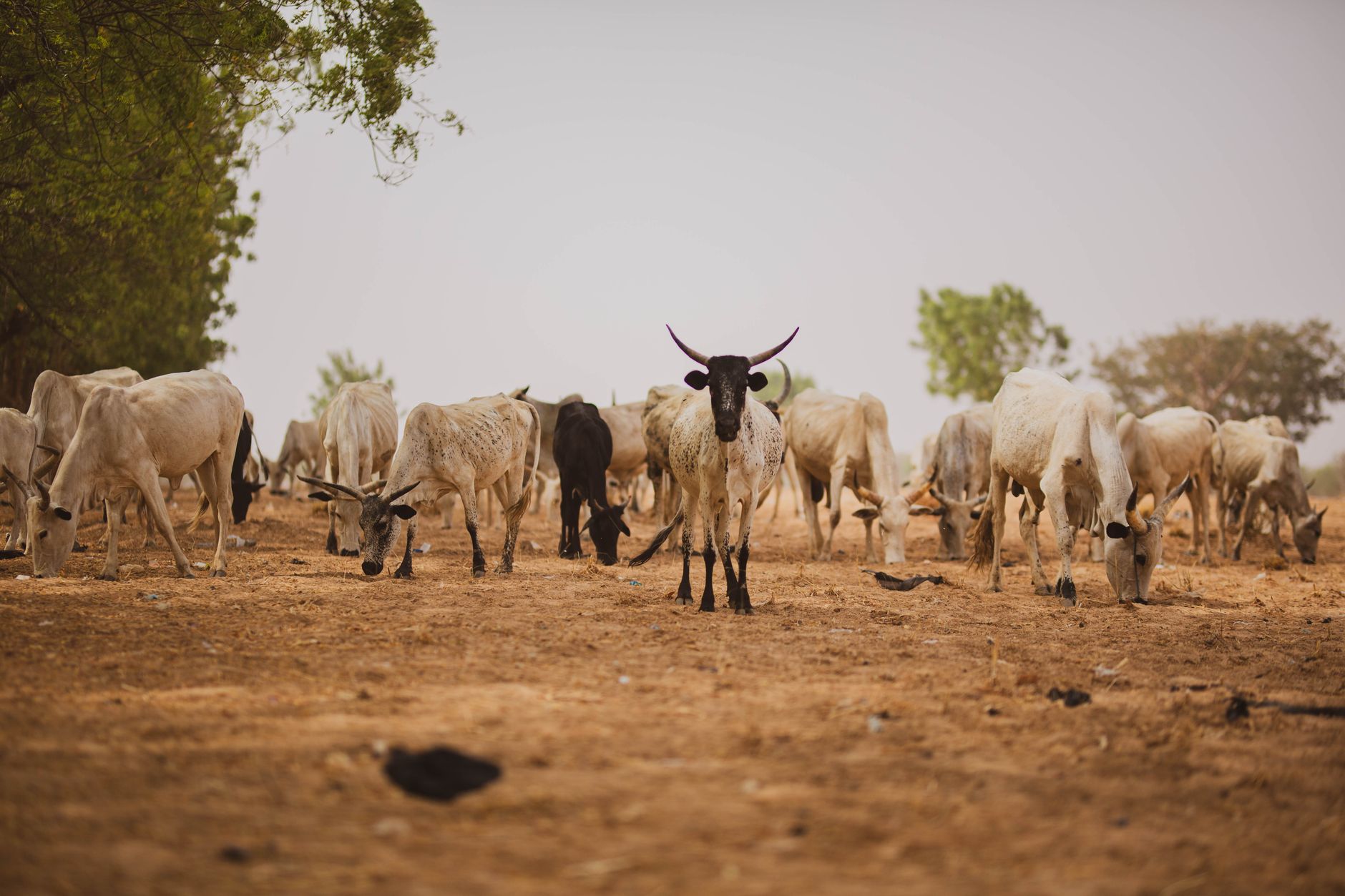
The recent call by Kindiki, a high-ranking government official, to restore degraded rangelands through a 15 billion tree drive is a response to the alarming rate of desertification and land degradation in Kenya. Historically, the livestock sector has been heavily reliant on the country's rangelands, which are under threat due to overgrazing, climate change, and poor land management practices.
According to the European Union's efforts to combat global desertification and land degradation, Kenya is among the countries most vulnerable to land degradation. The country's rangelands are critical for both livestock production and biodiversity conservation.
Kenya's livestock sector is dominated by small-scale farmers, who rely on rangelands for grazing their animals. However, the sector is also home to larger-scale commercial farmers and pastoralists who operate in the semi-arid regions of the country. These commercial farmers and pastoralists are the ones most likely to be impacted by the restoration of degraded rangelands.
The restoration of degraded rangelands will require significant investment in terms of funding, technology, and expertise. Historically, the Kenyan government has supported the development of the livestock sector through initiatives such as the Kenya Livestock Marketing Board. However, the restoration of degraded rangelands will require a more concerted effort from both the government and the private sector.
In terms of regional patterns, the Horn of Africa region is particularly vulnerable to land degradation. Countries such as Ethiopia and Somalia have implemented initiatives to restore degraded land, with some success. However, the scale and complexity of the problem in Kenya mean that the country's efforts will be closely watched by regional and international observers.
Operators in the livestock sector should monitor the government's progress in restoring degraded rangelands and the impact on livestock production. They should also be aware of the potential for new investment opportunities in the sector, particularly in areas such as sustainable livestock production and rangeland management