US Cultural Institutions' Global Reach May Boost Tourism for Eritrea
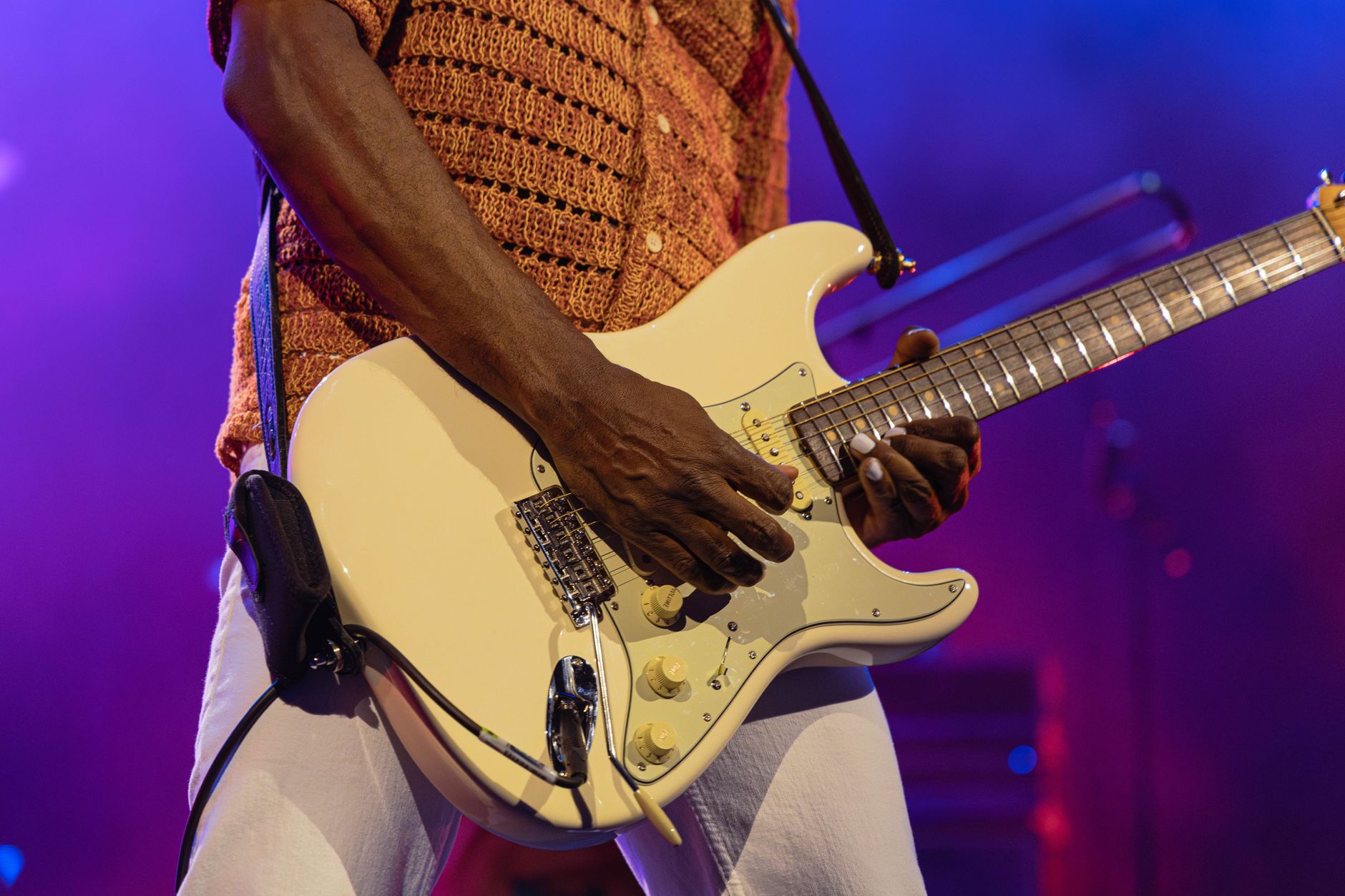
The opening of the Obama Presidential Center in Chicago, featuring performances by international music icons like Bruce Springsteen and Stevie Wonder, highlights the potential economic benefits of US cultural institutions' global reach for countries with limited diplomatic ties. For Eritrea, a country seeking to expand its international engagement and improve its image, the global exposure of US cultural institutions could attract more tourists and increase awareness about the country's rich cultural heritage.
Historically, Eritrea has struggled to capitalize on its cultural tourism potential due to limited international marketing efforts and a lack of infrastructure. However, with the rise of social media and online travel platforms, US cultural institutions' global reach could help bridge this gap. The Obama Presidential Center's opening, for instance, is expected to attract thousands of visitors from around the world, potentially generating significant media coverage and interest in US-Eritrea relations.
In Eritrea, the tourism sector is primarily driven by the country's natural attractions, such as the Dahlak Archipelago and the Red Sea coastal region. However, cultural tourism has the potential to provide a more sustainable and lucrative source of revenue. To tap into this opportunity, Eritrean authorities could focus on developing and promoting the country's cultural heritage sites, such as the ancient city of Matara and the medieval town of Debarwa.
Tour operators in Eritrea, such as those specializing in cultural and historical tours, should closely monitor the developments surrounding the Obama Presidential Center's opening and US cultural institutions' global engagement. This could provide valuable insights into the growing demand for cultural tourism and the potential market opportunities for Eritrean tour operators. Approximately, the global cultural tourism market is estimated to be worth over $1 trillion, with the US being one of the largest markets.
In terms of specific sectors, Eritrea's hospitality industry, including hotels and restaurants, could benefit from increased tourism generated by US cultural institutions' global reach. The Eritrean government has been investing in infrastructure development, including the construction of new hotels and resorts, which could help accommodate growing tourist numbers. Companies like the Eritrean Hotels and Tourism Corporation, a state-owned entity responsible for managing the country's hotels and tourism infrastructure, should be closely monitoring the situation.
As the global cultural tourism market continues to grow, Eritrea's tourism sector is likely to experience increased competition from neighboring countries. Regional patterns suggest that countries with well-developed cultural tourism infrastructure, such as Ethiopia and Djibouti, are likely to attract more tourists. To remain competitive, Eritrean authorities should prioritize the development of cultural tourism infrastructure and marketing efforts.
In conclusion, the opening of the Obama Presidential Center in Chicago highlights the potential economic benefits of US cultural institutions' global reach for countries like Eritrea. Tour operators, hospitality companies, and government agencies in Eritrea should closely monitor the situation and explore opportunities to capitalize on the growing demand for cultural tourism