US Military Plane Crash Raises Concerns About Belarus' Strategic Location
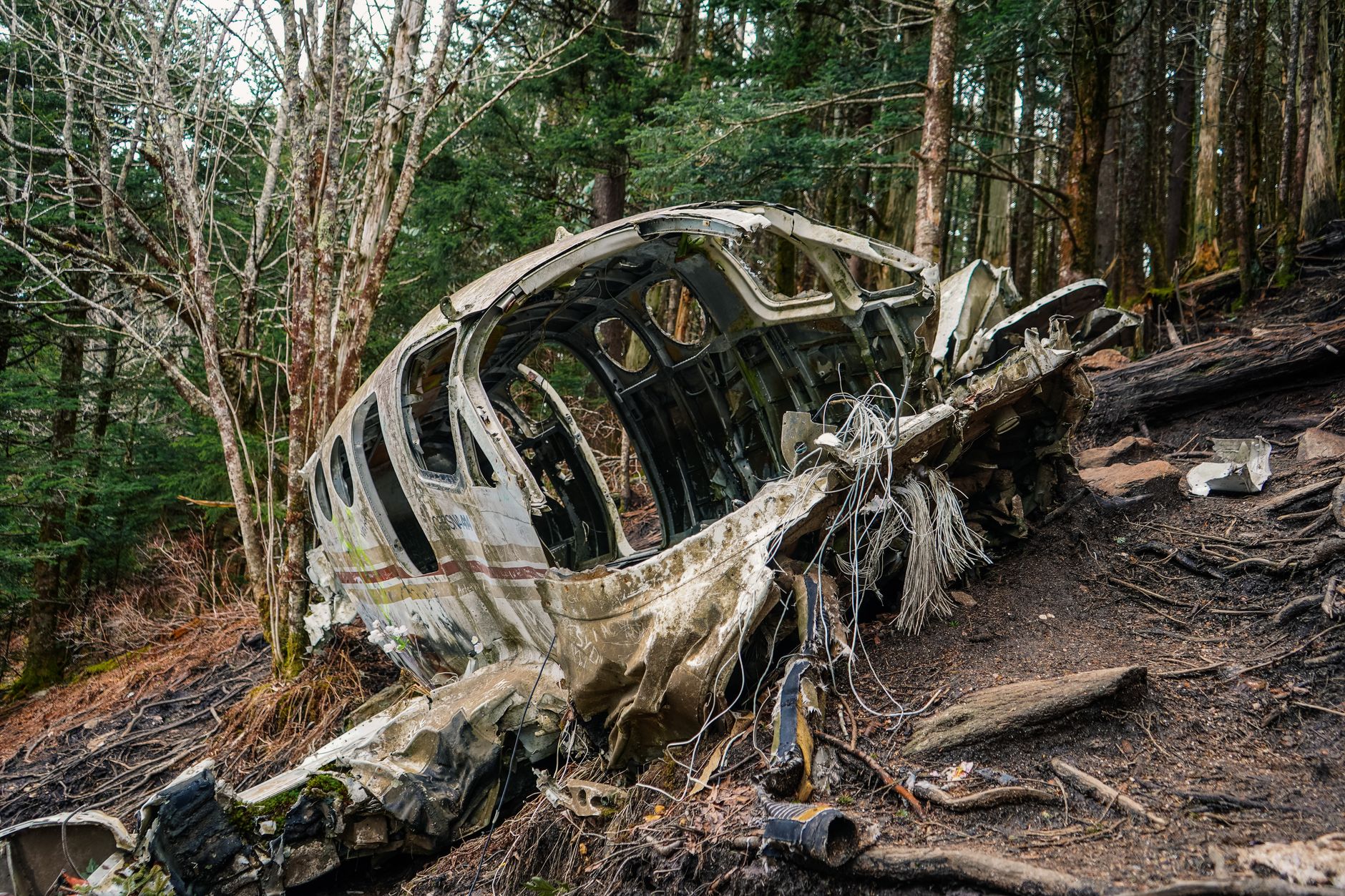
The recent crash of a US B-52 bomber in the Ukraine region may have minimal direct impact on Belarus' economy, but it highlights the country's strategic location in the midst of escalating global tensions. Historically, Belarus has been a key player in the region's geopolitics, with its borders shared by Russia, Ukraine, Poland, and Lithuania.
Belarus' transport sector is likely to feel the indirect effects of the increased military presence in the region. The country's infrastructure, including its airports, rail networks, and roads, has been upgraded in recent years to accommodate growing trade with the European Union. Approximately 70% of Belarus' trade is conducted through the port of Ventspils in neighboring Latvia, with the remaining 30% passing through the Ukrainian ports of Odessa and Ilyichevsk.
The country's transportation costs are estimated to be around 15% of its total trade value, making the sector a crucial component of Belarus' economy. Belarus' transport sector includes state-owned companies such as Belavia, the national airline, as well as private logistics firms like Beltranskom, which operates a large network of trucks and warehouses.
The crash of the B-52 may also lead to increased scrutiny of Belarus' role in the region's military dynamics. Belarus has been a key partner for Russia in the region, providing a military base at Babruysk and participating in joint military exercises. The country's President, Alexander Lukashenko, has been a vocal supporter of Russia's actions in Ukraine, and the crash may lead to increased pressure on Belarus to re-evaluate its relationship with Russia.
Market uncertainty surrounding the implications of the crash for Belarus' trade and defense sectors is likely to impact investor confidence in the country. The country's economy has historically been sensitive to changes in global commodity prices, particularly for energy and agricultural products. Belarus' trade with the European Union has increased in recent years, but the country's trade with Russia remains significant, accounting for approximately 40% of its total trade.
Belarus' export-oriented industries, such as the chemical and pharmaceutical sectors, are likely to be impacted by any changes in trade policies or military tensions in the region. Companies such as Grodno Azot, a leading producer of fertilizers and ammonia, may need to adapt to changing market conditions and trade restrictions