Worker Drowns in Sungai Buloh Water Tower Incident
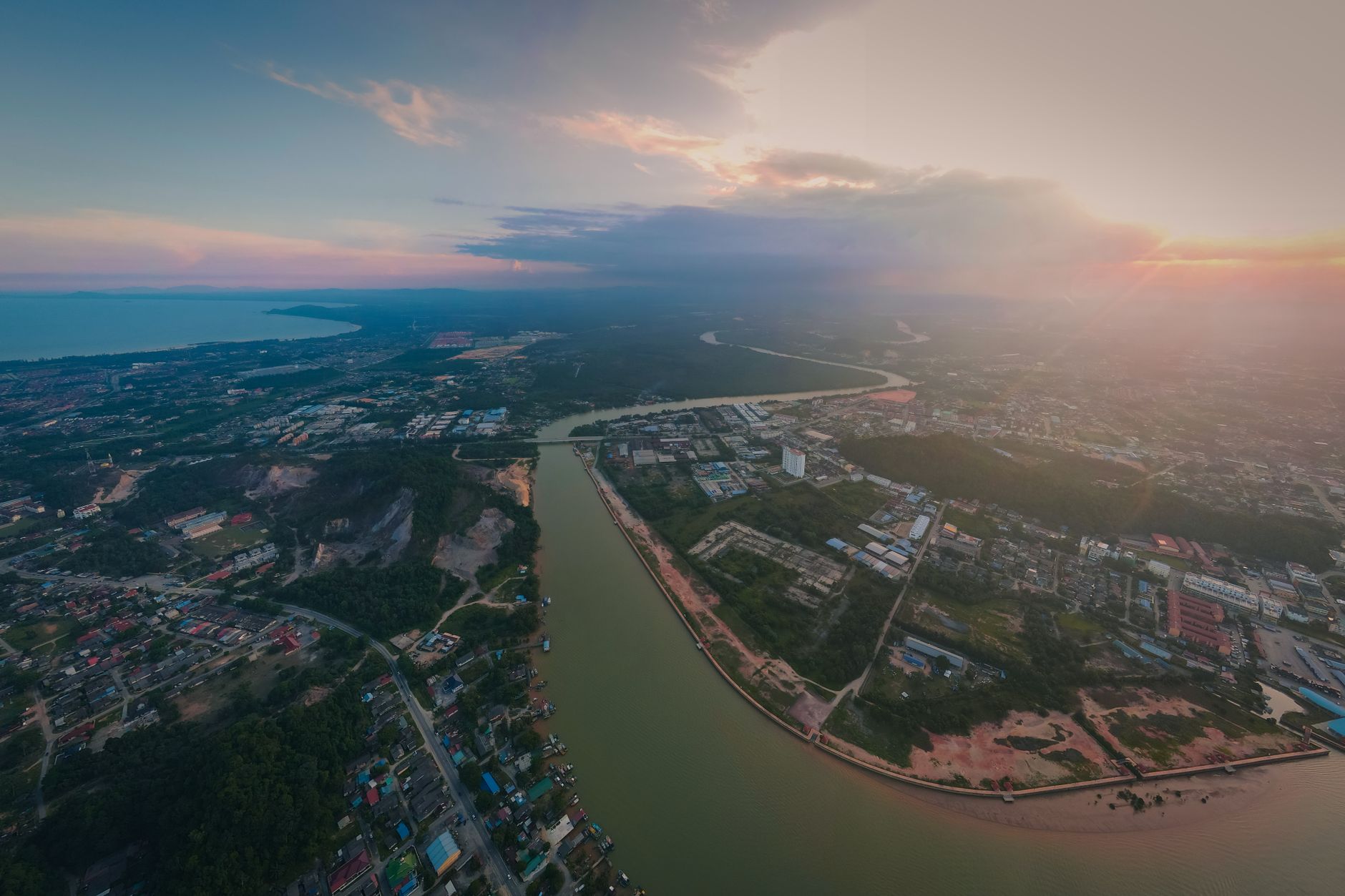
The recent incident of a maintenance worker drowning at a water tower in Sungai Buloh, Malaysia, highlights concerns over workplace safety in the country's utilities sector.
The incident brings into focus the importance of adherence to safety protocols in the water treatment and supply industry. Water treatment plants and towers are often considered high-risk workplaces due to the presence of hazardous chemicals and equipment.
Historically, Malaysia's utilities sector has seen its fair share of accidents, with many incidents resulting from human error, equipment failure, or a combination of both. Companies in this sector, such as Tenaga Nasional Berhad (TNB), the country's largest electricity utility company, have faced scrutiny over their safety records.
TNB, for instance, has in the past been involved in several high-profile incidents, resulting in injuries and fatalities. The company has since implemented various measures to improve workplace safety, including regular training sessions for employees and the implementation of a safety management system.
However, the recent incident at Sungai Buloh highlights the need for more stringent safety measures to be put in place across the utilities sector. This is particularly important in Malaysia, where the industry is expected to grow significantly in the coming years, driven by government initiatives to improve the country's water and electricity infrastructure.
Operators should monitor the implementation of safety measures by utilities companies in Malaysia, particularly in the water treatment and supply sector. They should also keep a close eye on government policies and initiatives aimed at improving workplace safety in the industry.
In terms of market uncertainty, the incident could potentially lead to increased costs for utilities companies in Malaysia, as they may need to invest in additional safety equipment and training for their employees. This could, in turn, affect the profitability of companies in the sector.
According to a recent report by the International Labour Organization (ILO), the cost of workplace accidents and illnesses in Malaysia is estimated to be approximately MYR 1.4 billion (USD 330 million) per year. This figure highlights the need for utilities companies in Malaysia to prioritize workplace safety and invest in measures to prevent accidents.
In conclusion, the recent incident at Sungai Buloh serves as a reminder of the importance of workplace safety in Malaysia's utilities sector. Operators should monitor the implementation of safety measures by utilities companies and keep a close eye on government policies aimed at improving workplace safety in the industry