18-Year-Old Dies in Fall From Horse Carriage in Central Park
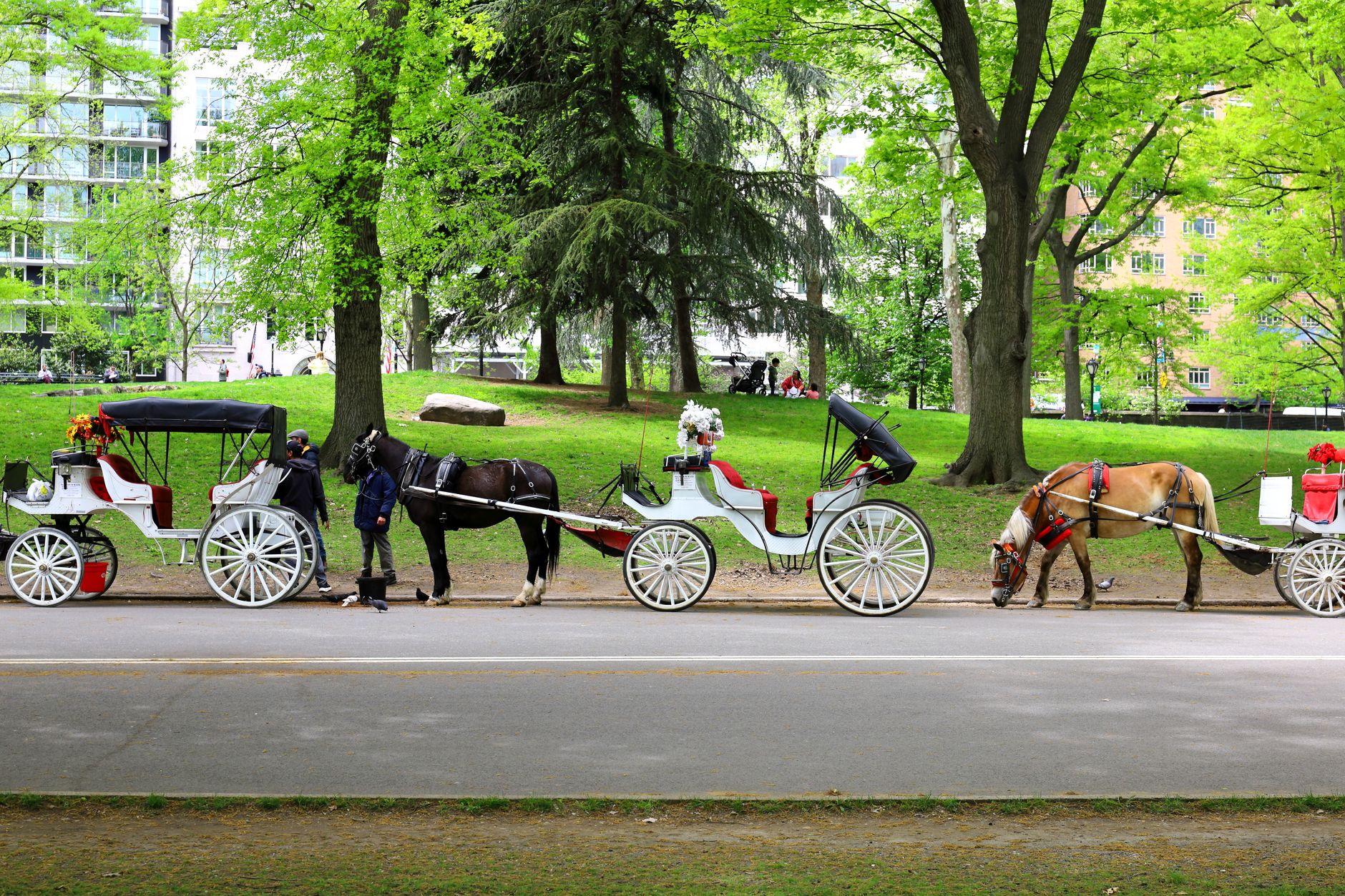
The death of an 18-year-old tourist in a horse carriage accident in New York City's Central Park has raised concerns about the safety and regulation of horse-drawn carriage services, which could have indirect implications for Cuba's tourism sector. Cuba's tourism industry, which is a significant contributor to the country's economy, may face increased scrutiny and pressure to ensure the safety of its own horse-drawn carriage services, which are commonly used by tourists in cities like Havana and Trinidad.
The Cuban tourism sector, which includes hotels, tour operators, and transportation services, may need to review and strengthen their safety protocols to avoid similar accidents and maintain the confidence of international tourists. Approximately 4.3 million tourists visited Cuba in 2020, with many of them using horse-drawn carriages as a mode of transportation or to experience the local culture. The Cuban government and tourism authorities may need to work together to establish and enforce stricter safety regulations for horse-drawn carriage services, which could involve regular inspections, training for carriage drivers, and improved infrastructure.
The accident in Central Park may also lead to increased awareness and debate about the treatment and welfare of horses used in carriage services, which could have implications for Cuba's horse breeding and carriage industries. Historically, Cuba has been known for its horse breeding traditions, and many horses are used for transportation, tourism, and agricultural purposes. The Cuban government and horse breeding associations may need to monitor international developments and trends in horse welfare and safety to ensure that the country's horse breeding and carriage industries are aligned with global best practices.
In terms of specific sectors, the Cuban tourism board, tour operators, and hotels may need to be aware of the potential impact of the Central Park accident on tourist perceptions and behavior. They may need to monitor visitor feedback, social media, and travel reviews to assess the level of concern and take proactive steps to address any safety concerns. Additionally, companies involved in the horse breeding and carriage industries, such as state-owned enterprises like Grupo Empresarial Gran Caribe, may need to review their safety protocols and animal welfare practices to avoid any negative publicity or reputational damage.
The accident in Central Park has highlighted the importance of safety and regulation in the tourism and transportation sectors, which is also relevant for Cuba's emerging industries like eco-tourism and adventure travel. As Cuba continues to develop its tourism sector, it is essential for operators to prioritize safety, sustainability, and animal welfare to maintain the confidence of international tourists and protect the country's reputation as a destination