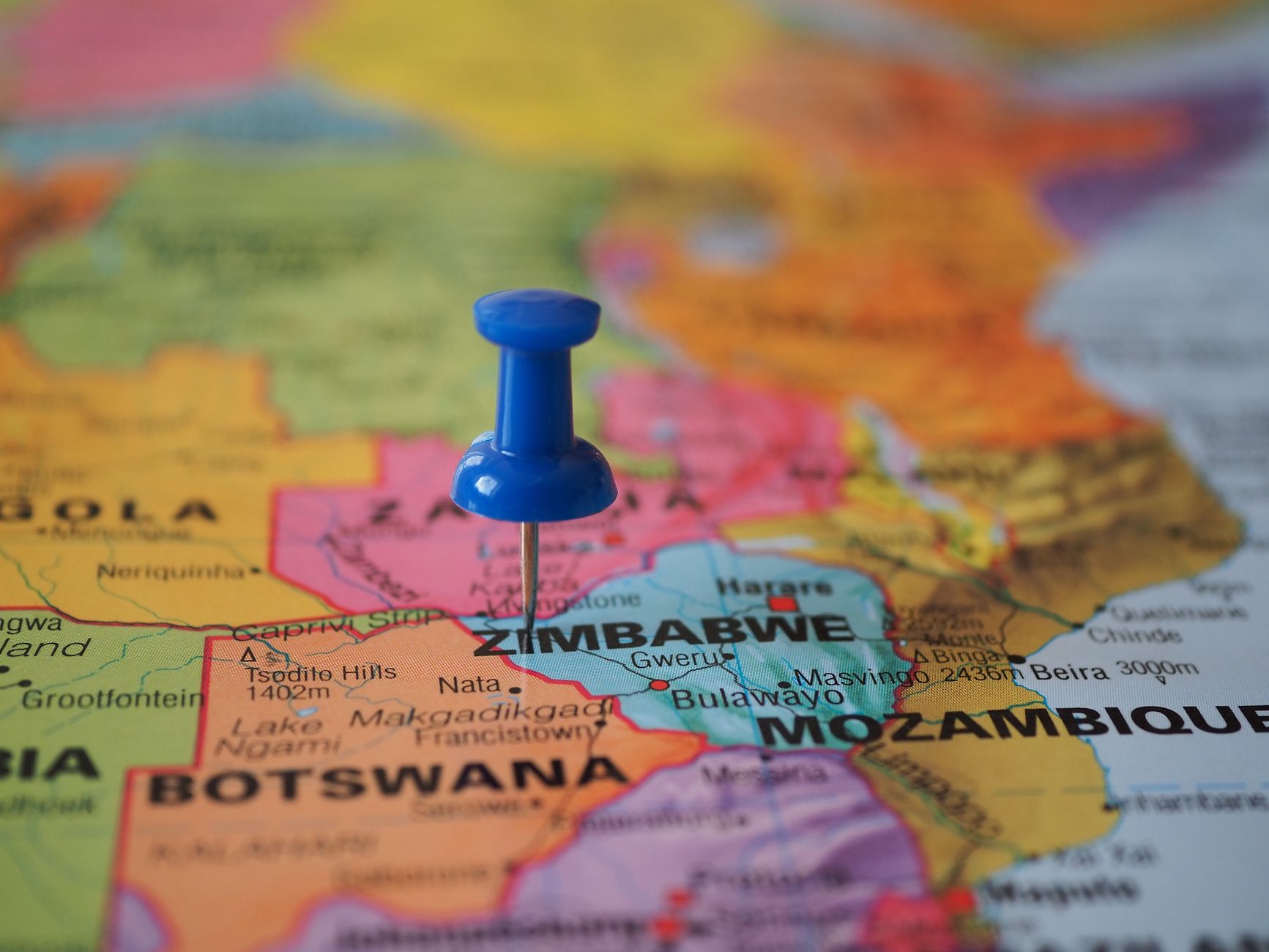
Broadening Latvia's 'Eastern Border Area' Concept a Possibility
The potential expansion of Latvia's 'eastern border area' concept has significant implications for the country's economic development, particularly for its agricultural sector. If implemented, it could lead to increased investment in the eastern regions, which would boost Latvia's agricultural production and reduce its reliance on imports. Historically, Latvia's agricultural sector has been a significant contributor to the country's economy, accounting for approximately 4% of GDP.
One of the key beneficiaries of this expansion could be Latvia's dairy industry. The country's dairy sector is already a significant player in the region, with companies like Dairies of Latvia and Latvian Dairy Industry Association (LAIPA) operating in the eastern regions. An expanded 'eastern border area' could provide these companies with access to new markets and resources, enabling them to increase their production and export capacities.
However, the expansion of the 'eastern border area' concept also raises concerns about the potential impact on Latvia's border regions. The eastern regions of Latvia have historically been less developed than the western regions, and any changes to the border area designation could have significant effects on local economies and infrastructure. For example, the expansion of the 'eastern border area' could lead to increased investment in transportation infrastructure, such as roads and railways, which would benefit companies operating in the region.
It is worth noting that Latvia's neighboring countries, particularly Russia and Belarus, have similar 'border area' concepts in place. Historically, these countries have used these designations to attract investment and promote economic development in their border regions. If Latvia were to expand its 'eastern border area' concept, it could potentially lead to increased cooperation and investment in the region, which would benefit local businesses and the broader economy.
In terms of market implications, the expansion of the 'eastern border area' concept could lead to increased investment in the agricultural sector, particularly in the dairy industry. Companies operating in this sector should monitor developments closely, as any changes to the border area designation could have significant effects on their operations and market access. Furthermore, the expansion of the 'eastern border area' concept could also lead to increased cooperation with neighboring countries, particularly in the areas of trade and investment