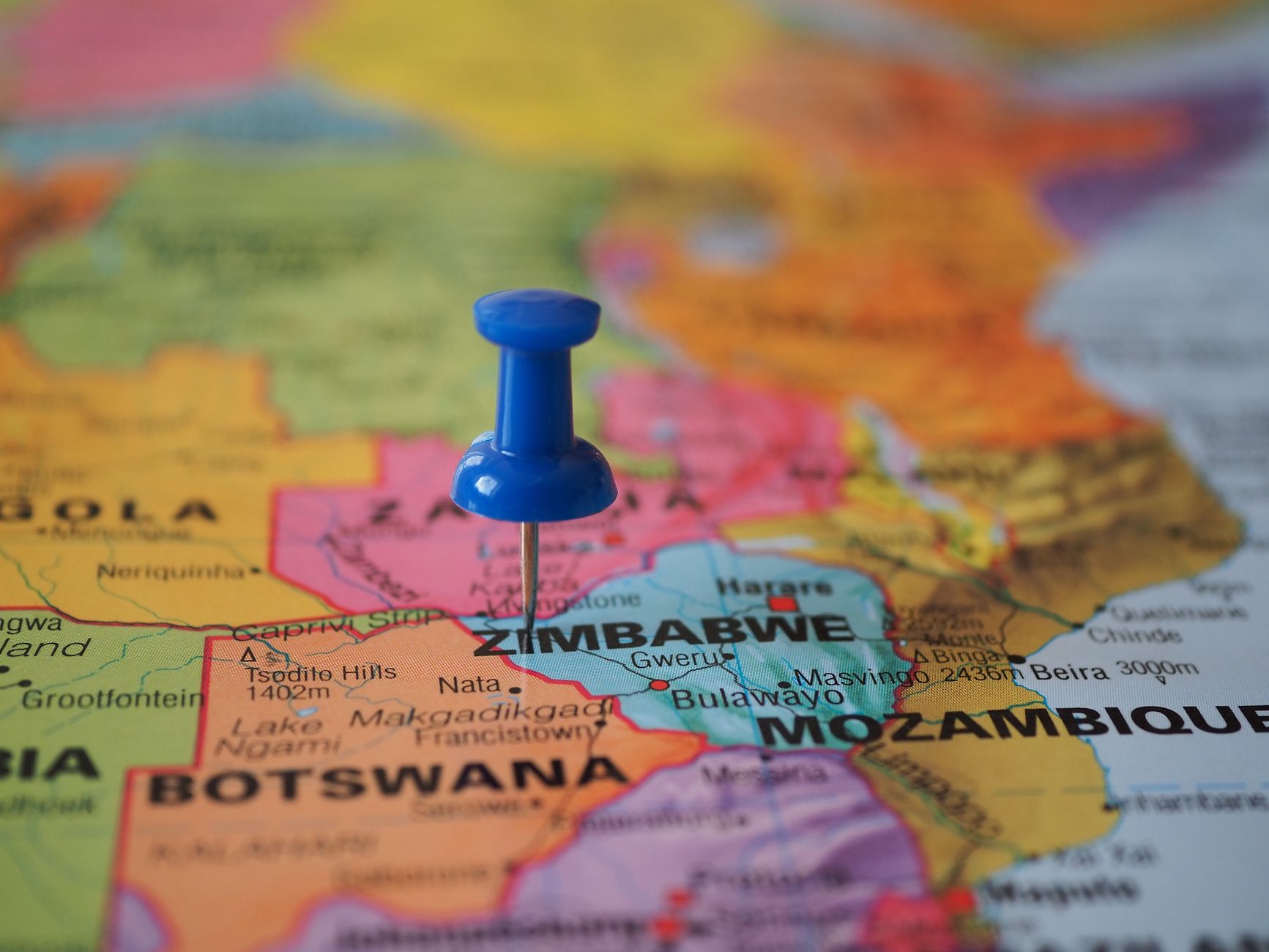
Cyberbullying Lawsuit Exposes Zimbabwe's Business Elites to Increased Scrutiny

The recent court case involving a high-profile love triangle between a business executive, his father-in-law, and the latter's alleged lover has shed light on the risks of reputational damage and potential lawsuits for Zimbabwe's business elite. This development has significant implications for the nation's business community, particularly in the context of increasing social media penetration and cyberbullying incidents.
The case, which involves a property damage and cyberbullying lawsuit, highlights the growing concern of reputational damage in Zimbabwe. Historically, Zimbabwe's business community has been relatively insulated from reputational risks, as the nation's economy has been more focused on survival than growth. However, with the increasing use of social media and the growing middle class, Zimbabwe's business elite is becoming more vulnerable to reputational damage.
This trend is particularly concerning for Zimbabwe's banking sector, which has been relatively stable in recent years. Zimbabwe's banks, such as CBZ Bank, Steward Bank, and NMB Bank, are likely to be cautious in dealing with high-profile clients or business associates who may be embroiled in messy love triangles or other scandals. This increased scrutiny could lead to a more conservative lending environment, potentially affecting access to credit for small and medium-sized enterprises (SMEs).
The impact of this trend is also likely to be felt in the tourism sector, which has been growing steadily in recent years. Zimbabwe's tourism industry, which includes major players such as Hwange National Park and Victoria Falls, may see a decrease in foreign investment and tourism activity as a result of the growing reputation risk. This could negatively impact the nation's foreign exchange earnings and potentially lead to a further devaluation of the Zimbabwean dollar.
While the exact extent of the impact is difficult to quantify, it is clear that the increasing focus on reputational damage and cyberbullying will have significant consequences for Zimbabwe's business community. As the nation's business elites become more aware of the potential risks, they are likely to adopt more cautious strategies in their personal and professional lives. This trend is likely to be monitored closely by regional observers, particularly in the context of other African nations where social media penetration is also on the rise.
In conclusion, the recent love triangle lawsuit highlights the growing risks of reputational damage and cyberbullying for Zimbabwe's business elite. This trend is likely to have significant implications for the nation's banking and tourism sectors, and operators should closely monitor the situation