Morocco's Autoproduction Decree: A Promising Step or a False Start?
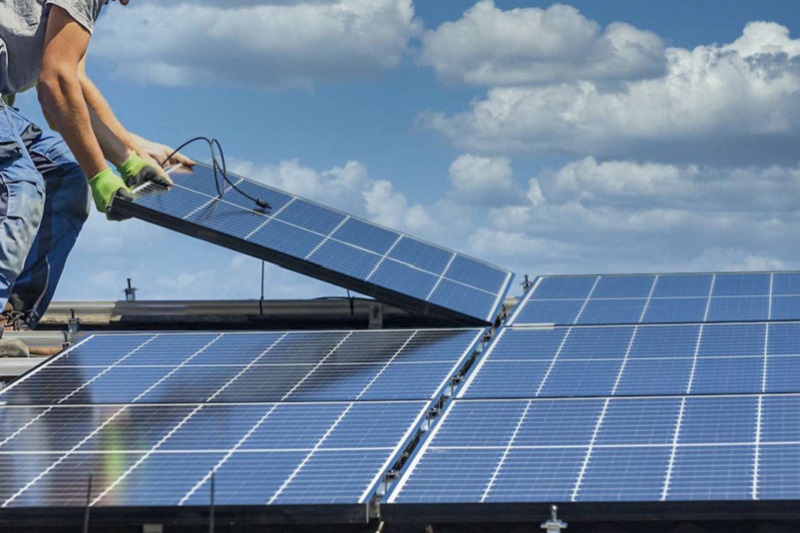
The Moroccan government has taken a significant step towards promoting the development of the renewable energy sector in the country with the introduction of a decree allowing enterprises and individuals to produce their own renewable energy. The decree, which entered into force on June 9, 2026, aims to promote the growth of the sector, which is a key area of focus for Morocco's energy strategy.
The decree is expected to have a significant impact on the micro and small enterprise (MSE) sector in Morocco, which has historically been a significant driver of economic growth in the country. MSEs will now have the opportunity to produce their own renewable energy, reducing their reliance on the grid and potentially saving on energy costs. This could lead to increased competitiveness for MSEs in the local market, particularly in industries such as textiles and food processing, which are known to be energy-intensive.
However, there are still several challenges that need to be addressed before the decree can be fully effective. A complementary decree, which is required to implement the autoproduction decree, is still blocked, and a plafond (cap) on the amount of renewable energy that can be re-sold has been set at 20%. This cap could limit the potential benefits of the decree for MSEs and larger enterprises alike, and may lead to concerns about energy supply and demand.
Despite these challenges, the autoproduction decree is seen as a positive step forward for Morocco's renewable energy sector, and could potentially attract investment from international companies looking to capitalize on the country's renewable energy potential. Historically, Morocco has been a leader in the region in terms of renewable energy development, and the government's commitment to promoting the sector is likely to be welcomed by investors.
As the market uncertainty surrounding the implementation of the decree becomes clearer, businesses and investors are advised to closely monitor developments in the sector. With Morocco's renewable energy sector set to play a key role in the country's energy strategy, it is likely that the government will continue to provide incentives and support for the development of the sector. However, the pace and extent of this development will depend on several factors, including the successful implementation of the complementary decree and the impact of the 20% plafond on energy supply and demand.
In the meantime, businesses and investors looking to explore opportunities in Morocco's renewable energy sector are advised to keep a close eye on developments in the country. With the right support and incentives, Morocco's renewable energy sector has the potential to become a major driver of economic growth in the country.
Explore businesses in Morocco at [drovus.world/ma/](http://drovus.world/ma/)