Shelter-in-Place Order Lifted After Boyle Heights Commercial Building Fire
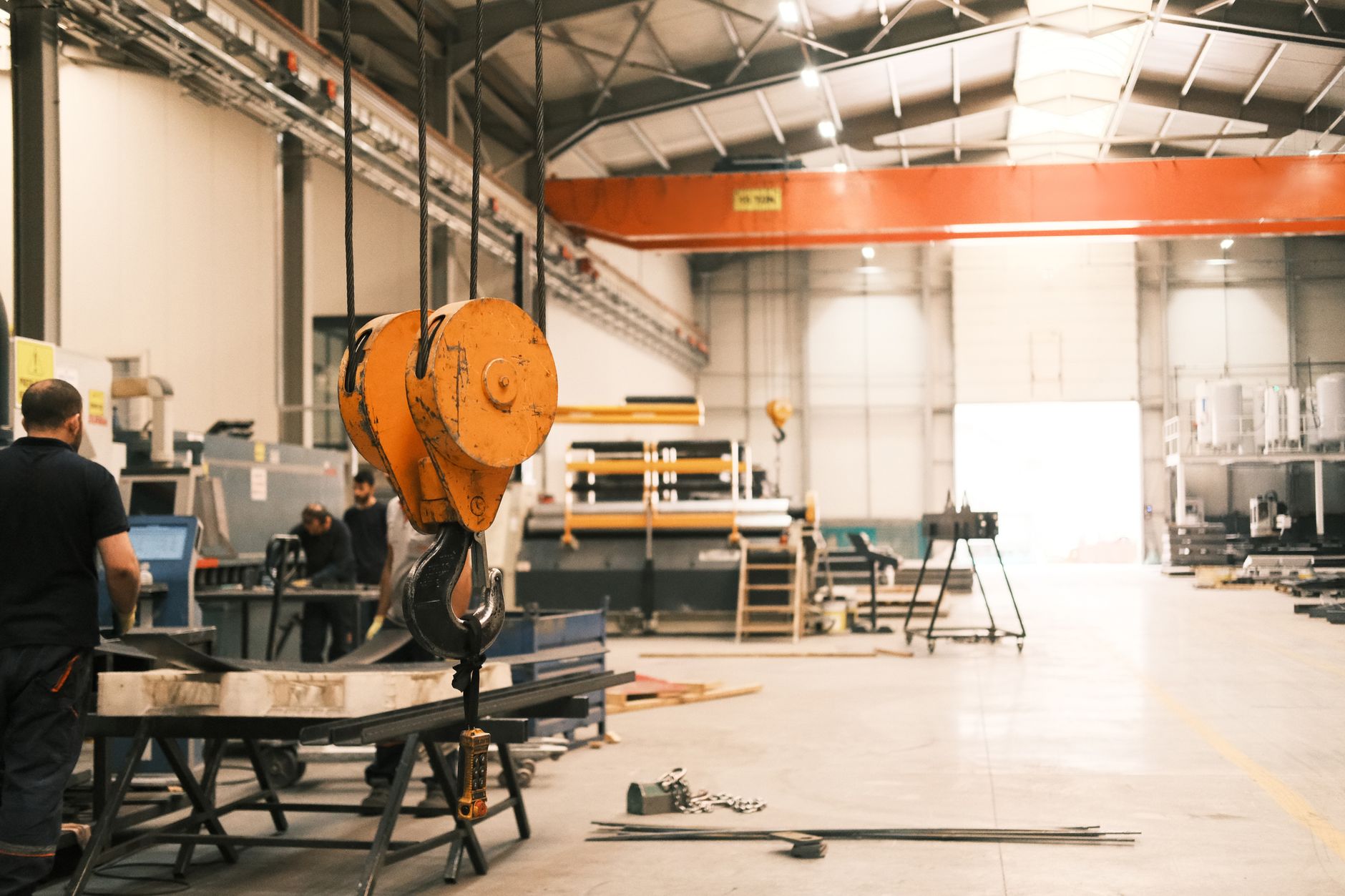
The most significant business implication for Bolivia stemming from the shelter-in-place order lifted after the Boyle Heights commercial building fire in Los Angeles is the potential disruption to global supply chains, particularly for Bolivian importers and exporters who rely on the Port of Los Angeles, one of the busiest ports in the world. The fire, which triggered shelter-in-place orders and helicopter water drops, highlights the risks associated with warehouse and logistical infrastructure in key trade hubs. For Bolivian businesses, especially those in the manufacturing and agriculture sectors, such as textile and soybean exporters, any disruption to the supply chain can result in significant delays and increased costs.
The Bolivian textile industry, which is a significant sector in the country's economy, relies heavily on imported raw materials and equipment from the United States and other countries. A disruption to the supply chain in Los Angeles could impact the ability of Bolivian textile manufacturers to access these essential inputs, potentially leading to production delays and lost revenue. Similarly, Bolivian soybean exporters, who rely on the Port of Los Angeles as a key transit point for their shipments to Asia, may face delays and increased costs if the fire affects the port's operations.
While there is no direct data available on the impact of the fire on Bolivian businesses, market uncertainty and regional patterns suggest that operators should monitor the situation closely. Historically, disruptions to global supply chains have had significant impacts on economies in the region, with estimated losses running into millions of dollars. In the absence of hard data, it is essential for Bolivian businesses to stay informed about developments in Los Angeles and to have contingency plans in place to mitigate any potential disruptions.
The fire in Boyle Heights also highlights the importance of risk management and business continuity planning for Bolivian companies, particularly those with international supply chains. By having robust plans in place, businesses can minimize the impact of disruptions and ensure that they can continue to operate effectively even in the face of unexpected events. Approximately 70% of Bolivian exports go to countries in the Asia-Pacific region, and any disruption to the supply chain can have significant implications for the country's economy.
In conclusion, the shelter-in-place order lifted after the Boyle Heights commercial building fire has significant implications for Bolivian businesses, particularly those in the textile and agriculture sectors. While the full extent of the impact is not yet clear, market uncertainty and regional patterns suggest that operators should be vigilant and prepared for potential disruptions