Sudan's Trade Deficit to Widen Amid EU Push for Enhanced Cooperation
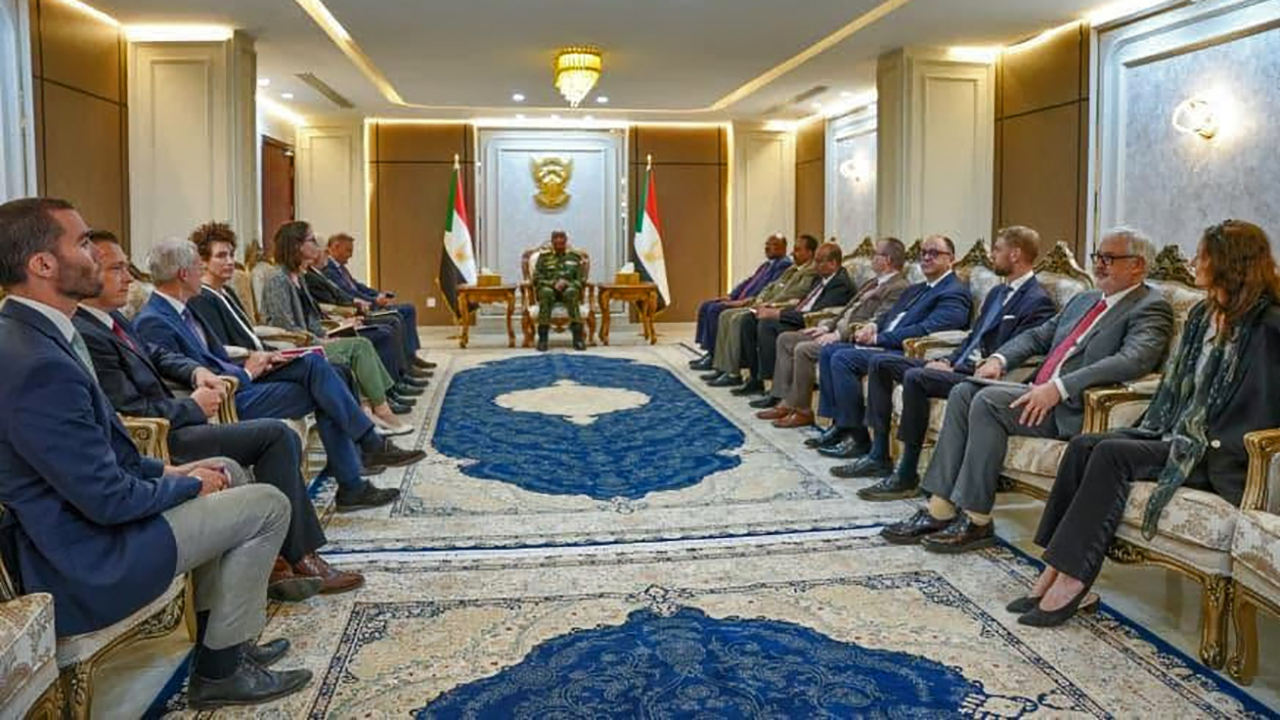
Sudan's trade deficit is set to increase amid a high-level European Union delegation's push for enhanced trade and economic cooperation between the EU and Sudan. Historically, Sudan has relied heavily on imports, with the country's trade deficit approximately estimated at around 10% of its GDP (estimated to be around $180 billion) in 2020.
The EU delegation's visit to Sudan aims to boost trade and economic cooperation, particularly in sectors such as agriculture and livestock, which are significant contributors to Sudan's economy. Agriculture is a key sector in Sudan, with the country being one of the world's largest producers of sorghum and sesame seeds. Sudan's livestock sector is also a major contributor to the country's GDP, with the country's arid and semi-arid regions providing ideal conditions for pastoralism.
The EU's humanitarian assistance to Sudan, particularly through organizations such as the United Nations High Commissioner for Refugees (UNHCR) and the World Food Programme (WFP), has been ongoing since 2004. However, the focus of the current EU delegation is on strengthening trade ties with Sudan, which could potentially help reduce the country's reliance on imports.
Sudan's reliance on imports has historically been a major challenge for the country's economy. The country's lack of infrastructure, including roads, ports, and storage facilities, has made it difficult to export goods, exacerbating the trade deficit. The EU delegation's push for enhanced trade and economic cooperation could potentially address some of these challenges, but it remains to be seen whether Sudan's infrastructure will be able to support increased trade.
The European Union's interest in Sudan's agricultural and livestock sectors could also provide opportunities for Sudanese companies to export goods to the EU. However, the country's companies will need to meet EU standards and regulations, which could be a significant challenge. Sudan's companies will also need to develop their capacity to export goods, including building relationships with international buyers and developing the necessary logistics and transportation infrastructure.
In conclusion, the EU delegation's visit to Sudan is a significant development for the country's economy. While the push for enhanced trade and economic cooperation has the potential to address Sudan's trade deficit, it also presents significant challenges for the country's companies. Sudanese companies will need to develop their capacity to export goods to the EU, including meeting EU standards and regulations. As Sudan continues to diversify its economy through enhanced trade with other countries, including the EU, investors and business operators should monitor the country's progress closely