Medicine Crisis Continues to Affect Botswana's Economy
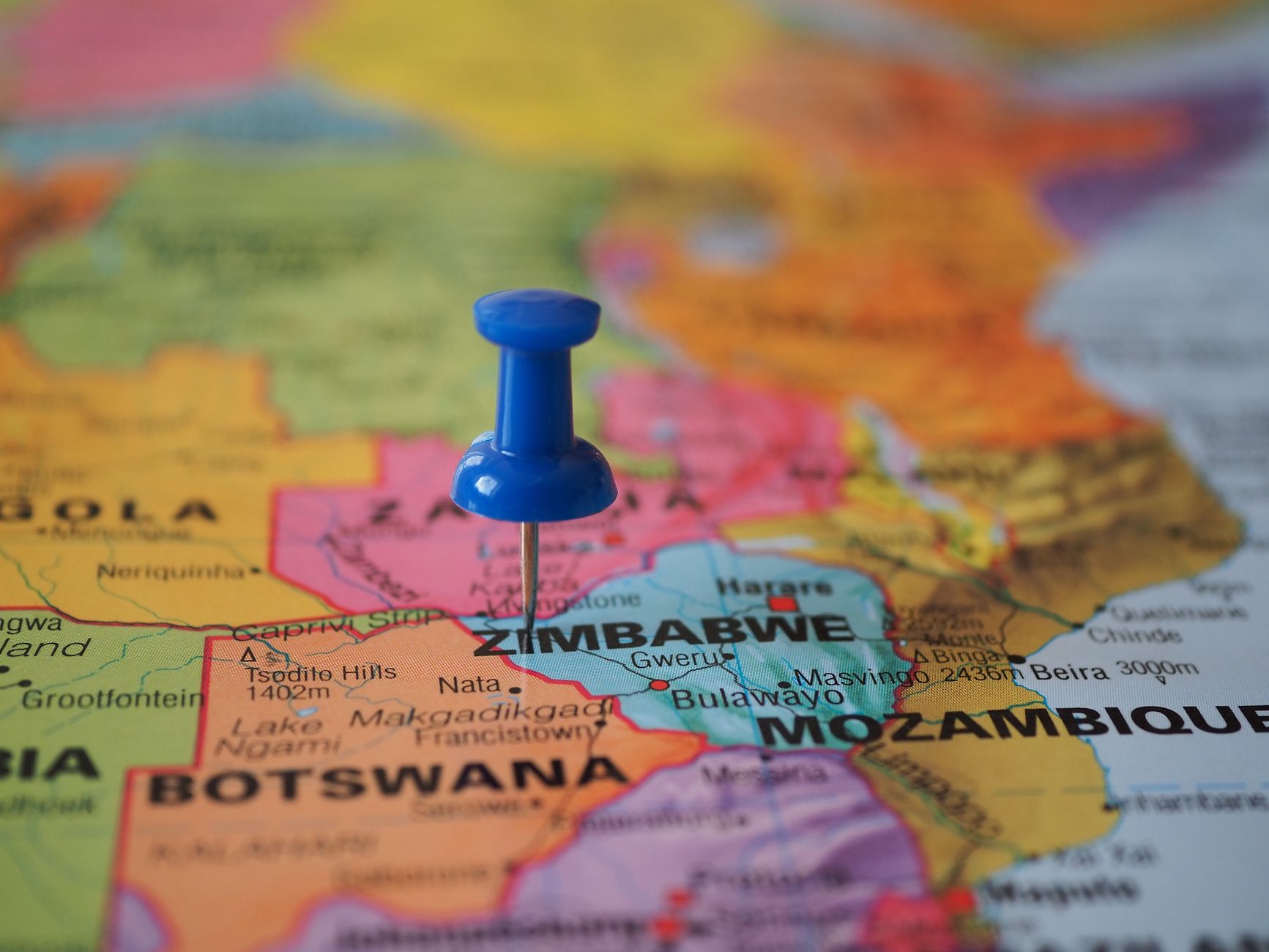
The ongoing medicine crisis in Botswana is having a significant impact on the country's healthcare sector and economy as a whole. The shortage of essential medicines is affecting not only the public healthcare system but also private medical facilities, which are major contributors to the country's economy. According to a report, about 40% of Botswana's private healthcare expenditure is spent on pharmaceuticals, indicating the significant role that the pharmaceutical industry plays in the country's economy.
The medicine crisis is likely to affect the revenue of private hospitals and clinics, as well as pharmaceutical companies operating in Botswana. These companies rely on the importation of medicines from other countries, and the current shortage is disrupting their supply chains. This disruption is likely to lead to increased costs and reduced profitability for these companies. Furthermore, the crisis may also lead to a decline in investor confidence in the country's healthcare sector, which could have long-term economic implications.
The impact of the medicine crisis is also being felt by companies that provide medical aid schemes to their employees. These companies may be forced to increase their medical aid contributions to cover the costs of private medical care, which could lead to increased operational costs. This, in turn, could affect the competitiveness of Botswana's businesses, particularly those operating in the export-oriented sectors.
In terms of economic impact, the medicine crisis could lead to a decline in economic growth, as the healthcare sector is a significant contributor to the country's GDP. The crisis may also lead to increased government expenditure on healthcare, as the government may be forced to intervene to address the shortage of medicines. According to a report, the government allocated about P4.3 billion to the health sector in the 2022/2023 budget, which is approximately 12% of the total budget